
Blue Zone Diets and Polyphenols: What the Evidence Can and Cannot Say
Sep 13, 2026
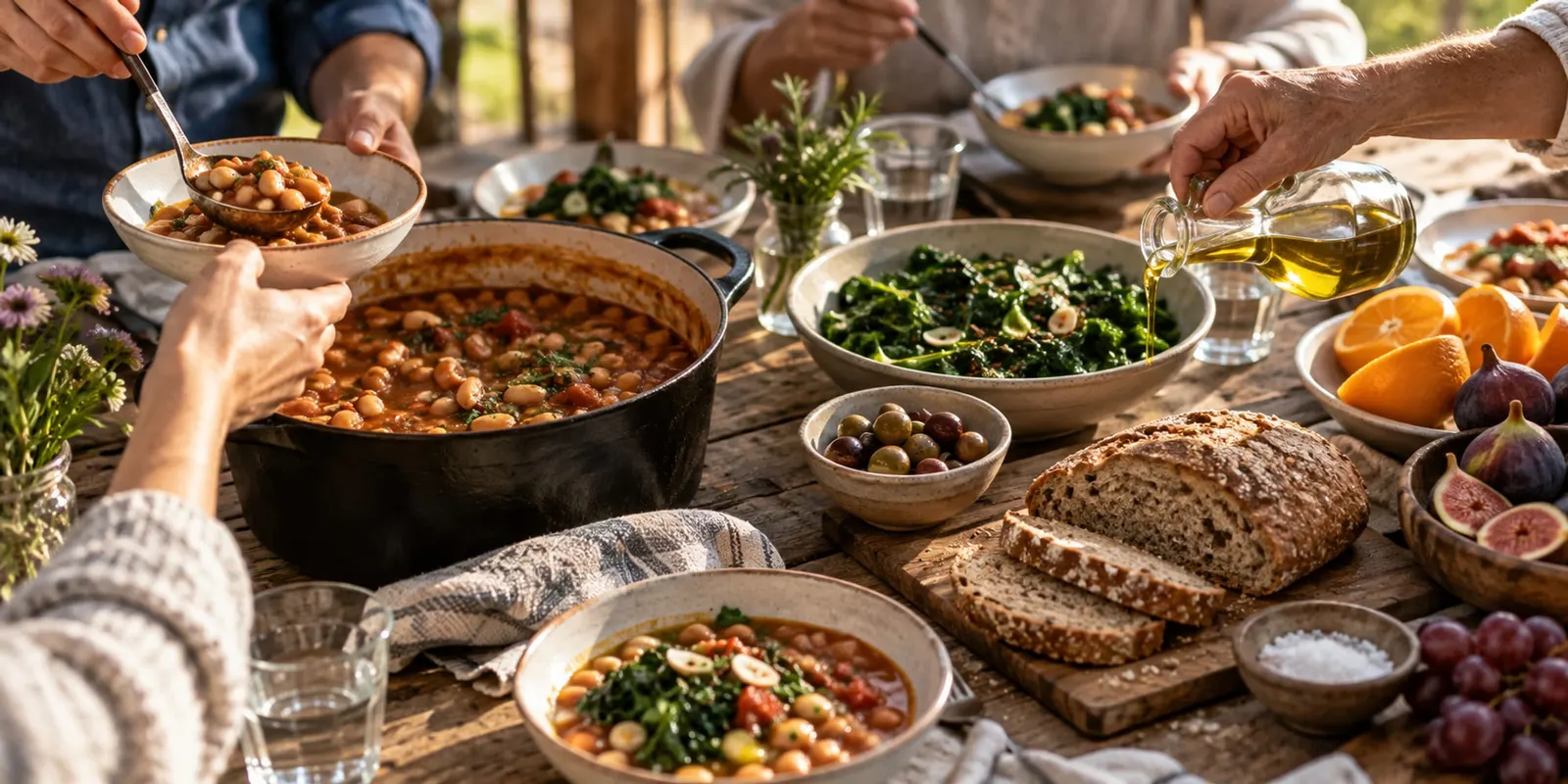
You watch a documentary about Okinawa or Sardinia, see a table full of beans and greens, and the conclusion seems tidy: eat what they eat and you may live as long as they do. The blue zone diet polyphenols connection is plausible. These diets are heavy on plants, and plants carry polyphenols. The harder part is proving that the food explains the long lives. Nobody assigned people to a blue zone diet and waited to see who reached old age. I think the pattern is worth copying. I just wouldn't mistake a sensible pattern for a settled longevity experiment.
What the blue zones are
Blue zones is the popular name for a handful of places reported to have unusually large numbers of very old people. The usual list includes parts of Okinawa, Sardinia, Ikaria and Nicoya, plus a community in Loma Linda. They weren't discovered through a controlled nutrition study. Researchers and writers looked back at demographic records, identified places where longevity appeared unusual, and then described how people there lived and ate.
Most blue-zone evidence comes from descriptions, demographic analyses and reviews rather than randomized diet trials. That distinction matters because researchers first identified places with unusual reported longevity and then examined their habits.
Researchers have also questioned the reliability of some age records. That doesn't make every account false, and it doesn't require a sneer at the people involved. It means the starting data deserve the same scrutiny we'd apply to any unusually large claim. Historic birth records can be incomplete, and a mistaken age can change a small area's apparent concentration of very old residents.
The social context is easy to sand away, too. Many historic blue zone diets belonged to poor rural populations eating what they grew or could afford. Choosing a bowl of beans in a modern supermarket is a different life from depending on beans because meat was scarce. The food may look similar while physical work, income, social connection and medical care differ substantially.
So the blue zone idea is best read as a useful observation. Certain places appeared to combine long life with recognizable patterns of food and daily life. It gives researchers a question to test. It doesn't answer that question on its own.
What the diets have in common
The described diets aren't identical. Okinawan food and Sardinian food come from different climates and traditions. Still, the overlap is clear: plenty of vegetables, legumes and whole grains, relatively little meat, and little processed food. Legumes show up across every blue zone diet described. They bring polyphenols and fiber in the same inexpensive package.
In Mediterranean regions, extra virgin olive oil is another anchor. It carries phenolic compounds and makes vegetables and beans easier to turn into dinner. That pantry staple matters more to a routine than an obscure plant bought once.
The broader food pattern also matters because digestion changes polyphenols. Gut bacteria and absorption alter the compounds before they reach your bloodstream. A food's database value isn't a dose delivered intact to your tissues. Cultivar, ripeness, storage and processing change the number before you eat it, too.
That's why a List of 100 foods high in polyphenols can be interesting without functioning as a prescription. Blue zone meals weren't built by sorting foods from highest to lowest. They were built around ordinary plant foods eaten repeatedly, usually with fiber and other nutrients still attached.
| Evidence | How it works | What it can support |
|---|---|---|
| Blue zone descriptions | Observing populations after the fact | That a pattern exists alongside long life |
| The Mediterranean trial | Randomizing 7447 people to eating patterns | That the pattern changed an outcome |
| Supplement trials | Randomizing an isolated compound | No matching benefit from antioxidant supplements |
That table is the evidence hierarchy in plain clothes. The descriptions tell us what occurred together. The trial tells us what happened when researchers deliberately changed an eating pattern. Supplement trials ask a narrower question about isolated compounds. One kind can't quietly stand in for another.
What this kind of evidence can show
Observational evidence can spot a pattern worth taking seriously. If a population eats mostly plants and also appears to live a long time, researchers can ask whether the two are connected. The evidence can't cleanly separate the plate from the rest of life. Physical activity, social connection, income and genetics may all influence the same outcome.
Picture two neighbors who both eat beans. One walks steep roads daily, has family nearby and rarely eats packaged food. The other sits most of the day and changed only the beans. Calling their diets similar leaves out quite a lot. That's the problem with turning a place into a meal plan.
Randomization helps because it assigns people to different interventions, making the groups more comparable at the start. Complications remain. Even so, we can have more confidence that a measured difference came from the assigned pattern. Our page on what the research supports uses that distinction throughout.
One research review connects blue-zone observations with biological ideas about aging and dietary polyphenols. It's a useful framework for questions, though it doesn't turn the blue-zone story into a randomized longevity trial.
The same caution applies to Blue Zone dietary patterns, telomere length maintenance and longevity: a critical review. A review can gather the literature and show where findings agree. Blue Zone dietary patterns, telomere length maintenance and longevity: a critical review still inherits the limits of the studies it reviews. If the underlying work is observational, a polished synthesis can't make it randomized.
Rapamycin is a drug with a completely different evidence and safety profile. It isn't part of the traditional eating patterns described in blue-zone regions and shouldn't be folded into the same recommendation.
The trial that comes closest
The strongest nearby evidence comes from PREDIMED, a 2018 randomized trial published in the New England Journal of Medicine. It followed 7447 older adults at high cardiovascular risk. One group ate a Mediterranean diet with extra virgin olive oil, another ate the same pattern with nuts, and a comparison group received advice to reduce fat.
The two Mediterranean groups had fewer major cardiovascular events. That outcome supports the eating patterns actually tested in that population. It doesn't prove that polyphenols caused the result, and it doesn't prove that every traditional blue zone diet produces the same outcome. Nuts, olive oil and the rest of the dietary pattern traveled together.
The publication history deserves a sentence because leaving it out makes the story cleaner than it was. The earlier report was retracted after problems emerged in the way some participants had been assigned. Researchers reanalyzed the data and republished it in 2018, reaching the same conclusion. The retraction notice is available alongside the corrected paper.
Our guide to the Mediterranean diet trial goes deeper into that design. For this question, its value is simple: it randomized people to eating patterns instead of describing what a long-lived population already did. That's much closer to an experiment.
NCCIH reaches a similarly practical conclusion from the wider evidence. People who eat more vegetables and fruit have lower rates of chronic disease, while antioxidant supplements haven't shown the same benefit. Whole foods give you polyphenols in a food matrix, alongside fiber and other nutrients, at far lower amounts than concentrated capsules.
PREDIMED doesn't certify the entire blue-zone story. It does give a plant-heavy Mediterranean pattern serious randomized-trial support for a measured cardiovascular outcome.
Common questions
What are the top 5 foods rich in polyphenols?
There isn't one universal top five because content changes with variety and processing. In blue zone-style eating, start with legumes, vegetables, whole grains, fruit and extra virgin olive oil. Legumes deserve special attention because they appear in every described blue zone diet and deliver polyphenols with fiber.
Do people in blue zones eat eggs?
Some described blue zone diets include eggs, but the shared pattern is plant-heavy, light on meat and low in processed food. Remember that researchers observed these populations after the fact. They didn't assign a required menu, so an egg can't be classified as either the secret or the problem.
Do blue zones drink coffee?
Food and drink habits vary among Okinawa, Sardinia, Ikaria, Nicoya and Loma Linda. Coffee isn't the defining thread. The clearer overlap is a diet built around vegetables, legumes and whole grains, with relatively little meat and processed food. Copy the broad pattern before worrying about one beverage.
Are there any downsides to the Blue Zone diet?
The food pattern is practical, but the story can encourage more certainty than the evidence earns. Some age records have been questioned, and population descriptions can't separate diet from exercise, social connection, income or genetics. Treat it as a model for meals, not a guarantee about lifespan.
Is the blue zone diet actually proven?
No randomized trial has tested a blue zone diet for longevity. The 2018 PREDIMED trial did assign 7447 high-risk older adults to Mediterranean patterns or lower-fat advice, and the Mediterranean groups had fewer major cardiovascular events. That supports a related pattern, not every blue zone claim.
What do people in blue zones eat every day?
The descriptions emphasize vegetables, legumes and whole grains, with little processed food and relatively little meat. Legumes are the most consistent staple across the regions. Exact menus differ, so think beans and ordinary plant foods repeated through the week rather than a rigid daily checklist.
What to take from it
Copy the part you can see: cook beans, use vegetables generously, choose whole grains, keep processed food modest and use extra virgin olive oil where it fits. You don't need the longevity story to be perfectly proven before those meals make sense. The Blue Zones scholarly articles offer observations, not a personal forecast. A plant-heavy pattern is a reasonable bet. It just hasn't been shown to be the sole cause of extraordinary lifespan.
Food is the foundation of the pattern: beans, vegetables, whole grains, fruit and extra virgin olive oil. A standardized supplement may be useful for a targeted goal when human evidence supports it, but no capsule can reproduce the meals, movement and social context observed in these communities.